
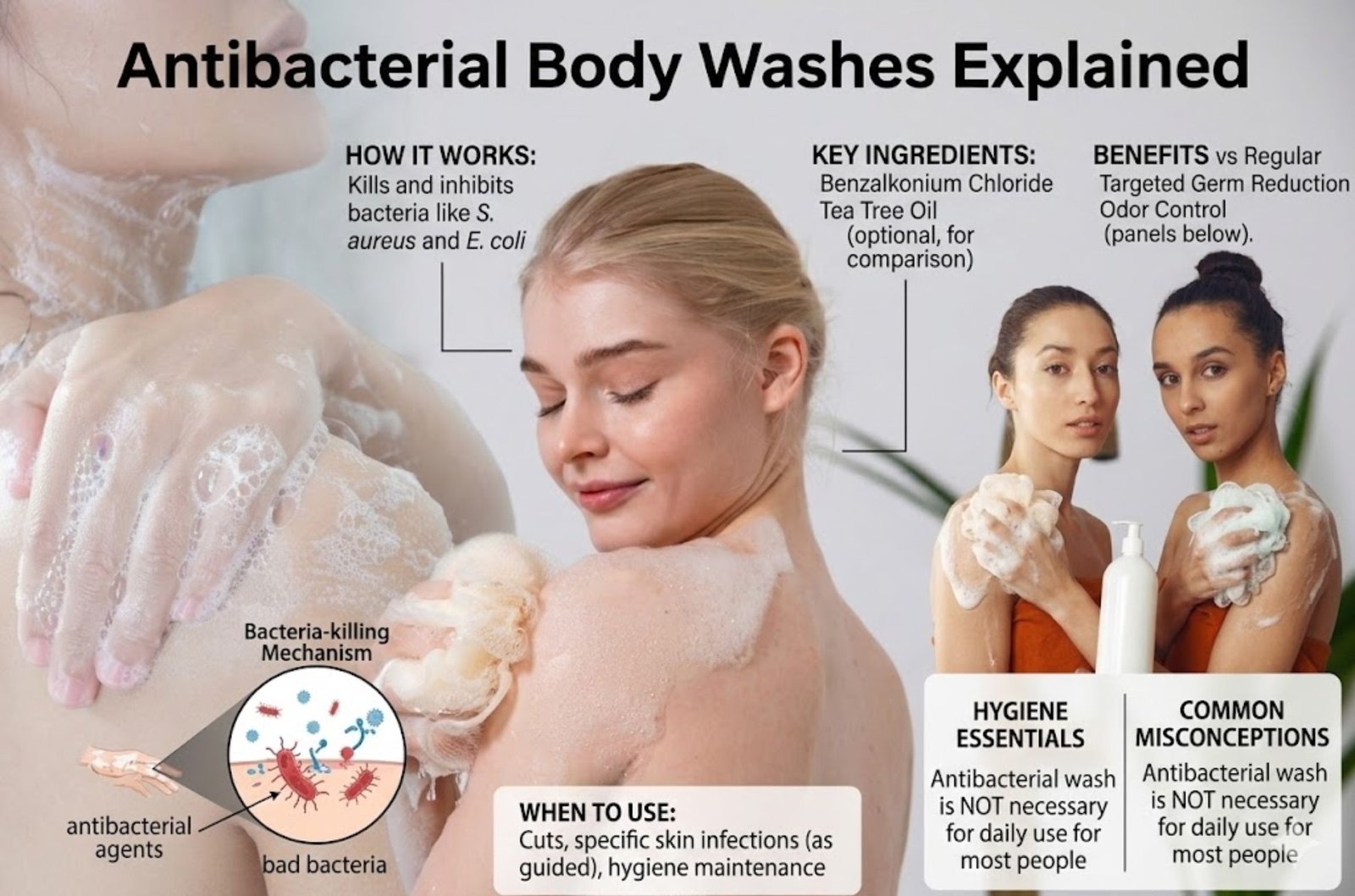
Body acne, persistent odour, and bacterial skin concerns affect millions of people daily, often causing embarrassment and frustration. While facial skincare receives abundant attention, body skin frequently struggles with issues that require targeted antibacterial solutions.
Tea tree oil has emerged as nature’s most powerful antibacterial ingredient for body care, offering effective cleansing without the concerns associated with synthetic alternatives. This remarkable botanical has transitioned from traditional Australian medicine to mainstream skincare, earning recognition from dermatologists worldwide.
This comprehensive guide explains exactly how tea tree oil works in antibacterial body washes, the benefits it delivers, and how to select the most effective formulation for your specific concerns.
What Is Tea Tree Oil and How Does It Fight Bacteria?
Understanding Tea Tree Oil: Nature’s Antibacterial Agent
Tea tree oil originates from the Melaleuca alternifolia plant, native to the coastal regions of New South Wales, Australia. Aboriginal Australians recognised its healing properties centuries ago, using crushed tea tree leaves to treat wounds, infections, and various skin ailments.
The key active compound responsible for tea tree oil’s antibacterial power is terpinen-4-ol, which typically comprises 30-40% of quality tea tree oil. This compound, along with other terpenes present in the oil, creates a potent antimicrobial combination that effectively targets harmful bacteria while remaining gentle enough for regular skin use.
Scientific research has extensively validated tea tree oil’s effectiveness. Studies published in clinical dermatology journals confirm its activity against numerous bacteria strains, including those responsible for body acne and skin infections.
The Science Behind Tea Tree Oil’s Antimicrobial Action
Understanding how tea tree oil kills bacteria helps explain its effectiveness in body wash formulations.
Terpinen-4-ol works by disrupting bacterial cell membranes, essentially destroying the protective barrier that bacteria need to survive. This mechanism proves effective against a broad spectrum of microorganisms, including Propionibacterium acnes the primary bacteria responsible for acne breakouts.
Beyond antibacterial action, tea tree oil demonstrates impressive antifungal properties. It effectively addresses fungal concerns like athlete’s foot and jock itch, making it a versatile ingredient for comprehensive body hygiene.
Compared to synthetic antibacterial agents, tea tree oil offers advantages including reduced concerns about antibiotic resistance and a more favourable environmental profile.
Common Body Skin Concerns Requiring Antibacterial Care
Several body skin issues benefit from tea tree oil’s antibacterial properties:
Body acne affecting the back, chest, and shoulders responds well to tea tree oil’s bacteria-fighting action.
Body odour results from bacteria breaking down sweat compounds. Tea tree oil addresses odour at its bacterial source.
Folliculitis and ingrown hairs involve bacterial infection of hair follicles, making antibacterial cleansing essential.
Post-workout bacterial buildup creates ideal conditions for breakouts and odour, requiring effective cleansing.
How Tea Tree Oil Works in Body Wash Formulations
Delivery of Antibacterial Benefits During Cleansing
Body wash provides an excellent delivery system for tea tree oil, allowing the active compound to contact large skin surface areas during every shower. The cleansing process distributes tea tree oil across problem zones while surfactants help it penetrate pores where bacteria thrive.
Contact time during showering significantly impacts effectiveness. Allowing tea tree body wash to remain on skin for 60-90 seconds before rinsing maximises antibacterial benefits. This brief pause gives terpinen-4-ol adequate opportunity to act against surface bacteria.
Modern formulations carefully balance tea tree oil concentration with complementary ingredients that enhance stability and skin compatibility without diminishing antibacterial potency.
Tea Tree Oil Concentrations: Finding the Right Balance
Not all tea tree body washes contain equal concentrations, and more is not necessarily better.
Effective antibacterial body washes typically contain tea tree oil concentrations between 0.5% and 5%. Lower concentrations suit sensitive skin while still providing meaningful benefits. Higher concentrations deliver stronger antibacterial action but may cause irritation in some individuals.
Quality matters as much as quantity. Pure tea tree oil (Melaleuca alternifolia leaf oil) differs significantly from synthetic tea tree fragrance, which provides scent without antibacterial benefits. Always verify ingredient lists for genuine tea tree oil rather than fragrance alternatives.
Tea Tree Oil vs. Other Antibacterial Ingredients
Tea tree oil compares favourably against other antibacterial options available in body washes.
Benzoyl peroxide offers powerful acne-fighting action but frequently causes significant drying and irritation. Tea tree oil provides gentler antibacterial effects suitable for daily use.
Salicylic acid excels at exfoliation and pore clearing but works differently than tea tree oil’s direct antibacterial mechanism. Many effective formulations combine both ingredients.
While tea tree oil targets bacteria, it can be drying for some skin types. Ceramides in hydrating body washes help maintain skin barrier health when using antibacterial formulations regularly.
Key Benefits of Tea Tree Oil Body Washes
Effective Antibacterial and Antimicrobial Action
The primary benefit drawing people to tea tree oil body washes is proven antibacterial effectiveness. Terpinen-4-ol actively kills acne-causing bacteria upon contact, reducing bacterial populations on the skin surface.
This antibacterial action extends beyond immediate cleansing. Tea tree oil creates an environment less hospitable to bacterial regrowth, providing protection that lasts between showers.
Body odour improvement represents another significant benefit. By targeting the bacteria responsible for breaking down sweat into odorous compounds, tea tree body washes address odour at its source rather than merely masking it.
Body Acne Treatment and Prevention
Tea tree oil body washes serve dual purposes for acne-prone individuals: treating existing breakouts and preventing new ones from forming.
Active blemishes on the back, chest, and shoulders receive direct antibacterial treatment during every shower. Consistent use reduces inflammation and accelerates healing of existing spots.
Preventive benefits emerge through regular bacterial control. By maintaining lower bacteria levels on skin, tea tree body washes reduce the likelihood of new breakouts developing, particularly in acne-prone zones.
For those with oily yet dehydrated skin, combining tea tree oil body washes with hyaluronic acid for intense moisture ensures antibacterial benefits without compromising hydration.
Natural Antifungal Properties
Tea tree oil’s antifungal action provides additional value beyond antibacterial benefits.
Common fungal concerns including athlete’s foot, jock itch, and general fungal overgrowth respond to regular tea tree oil application. This dual antibacterial-antifungal action makes tea tree body washes particularly valuable for athletes and active individuals.
Oil Control and Pore Cleansing
Tea tree oil helps regulate excess sebum production, benefiting those with oily body skin. The deep cleansing action reaches into pores, removing accumulated oil, dead skin cells, and debris that contribute to breakouts.
Many users report a refreshing, invigorating sensation during tea tree body wash use, along with visibly reduced oiliness throughout the day.
Who Should Use Tea Tree Oil Body Washes?
Ideal Candidates for Tea Tree Body Washes
Tea tree oil body washes benefit specific groups most significantly:
Those struggling with body acne on the back, chest, or shoulders find targeted antibacterial support essential for clearing and preventing breakouts.
Individuals with oily body skin appreciate tea tree oil’s oil-regulating properties alongside its cleansing benefits.
Athletes and active individuals requiring thorough post-workout cleansing benefit from tea tree oil’s comprehensive antibacterial and antifungal action.
People experiencing body odour concerns find tea tree oil addresses the bacterial cause rather than merely masking symptoms.
When to Consider Alternative Formulations
While tea tree oil suits many individuals, certain situations may warrant alternative approaches:
Very dry or dehydrated skin may find pure tea tree formulations too drying without adequate balancing ingredients. Look for formulations including moisturisers or consider alternating with hydrating body washes.
Sensitive or reactive skin types should proceed cautiously, starting with lower concentration formulations and patch testing before full application.
If you have sensitive or irritated skin alongside bacterial concerns, oatmeal extracts in soothing body washes provide gentle relief while some formulations combine oatmeal with mild tea tree concentrations for balanced care.
Precautions and Considerations
Responsible tea tree oil use requires awareness of potential sensitivities:
Patch testing before full-body application helps identify any adverse reactions. Apply a small amount to inner arm skin and wait 24 hours.
Pregnancy and nursing individuals should consult healthcare providers before using tea tree oil products regularly.
Signs of irritation including redness, burning, or increased dryness indicate the need to reduce concentration or frequency of use.
How to Choose the Best Tea Tree Oil Body Wash
Key Ingredients to Look For
When evaluating tea tree body wash options, examine ingredient lists carefully:
Tea tree oil (listed as Melaleuca alternifolia leaf oil) should appear prominently, indicating meaningful concentration.
Appropriate concentration levels balance effectiveness with skin tolerance. Quality brands often specify percentage or concentration.
Balancing moisturisers prevent the dryness some experience with antibacterial products.
The most effective tea tree body washes include balancing ingredients like ceramides for barrier protection and hyaluronic acid for hydration, ensuring antibacterial benefits without skin compromise.
Ingredients to Avoid
Certain ingredients can undermine tea tree oil benefits or increase irritation risk:
Harsh sulfates like sodium lauryl sulfate may over-strip skin, exacerbating dryness caused by tea tree oil’s astringent properties.
Excessive synthetic fragrance can irritate sensitive skin and may indicate lower quality formulations.
Comedogenic oils can clog pores, counteracting tea tree oil’s pore-clearing benefits.
Formula and Texture Considerations
Personal preference and skin type should guide formula selection:
Gel formulas suit oily skin types, providing thorough cleansing with lightweight texture.
Cream-gel hybrids offer balance for combination skin, cleansing effectively while maintaining moisture.
pH-balanced formulations maintain skin’s acid mantle, supporting overall skin health alongside antibacterial action.
For detailed guidance on evaluating body wash ingredients and formulations, see our Ultimate Guide to Choosing the Best Body Wash in 2026.
Maximising Results: How to Use Tea Tree Oil Body Washes Effectively
Application Best Practices
How you use tea tree body wash significantly impacts results:
Focus on problem areas including the back, chest, shoulders, and any zones prone to breakouts or odour. These areas benefit most from targeted application.
Allow adequate contact time. Rather than immediately rinsing, let the body wash remain on skin for 60-90 seconds, giving tea tree oil opportunity to work.
Use lukewarm water. Hot water can strip natural oils excessively, while lukewarm water cleanses effectively without over-drying.
Daily use suits most individuals, though those with drier skin may benefit from alternating with hydrating body washes.
Avoiding Common Mistakes
Prevent counterproductive habits that undermine tea tree body wash benefits:
Over-washing can strip skin excessively, triggering increased oil production that worsens acne. Once or twice daily is typically sufficient.
Neglecting moisturisation after using antibacterial products can lead to dryness and barrier damage. Follow with appropriate moisturiser when needed.
Ignoring irritation signs and continuing use despite redness or burning can damage skin. Reduce frequency or concentration if sensitivity develops.
Tea Tree Oil Combined with Other Beneficial Ingredients
Powerful Ingredient Synergies
Tea tree oil works exceptionally well alongside complementary skincare ingredients:
Tea Tree Oil + Ceramides: Ceramides rebuild and strengthen the skin barrier, preventing the dryness and irritation that can occur with regular antibacterial product use. This combination maintains skin health while fighting bacteria.
Tea Tree Oil + Hyaluronic Acid: Hyaluronic acid attracts deep moisture to skin, balancing tea tree oil’s clarifying action with essential hydration. This pairing suits oily-dehydrated skin types perfectly.
Tea Tree Oil + Oatmeal: For those with irritated, acne-prone skin, [oatmeal extracts provide soothing anti-inflammatory benefits] that calm skin while tea tree addresses bacterial concerns.
Final Thoughts: Is Tea Tree Oil Body Wash Right for You?
Tea tree oil body washes offer natural, effective antibacterial cleansing for those struggling with body acne, odour, or general bacterial skin concerns. The proven antimicrobial properties of terpinen-4-ol provide science-backed benefits that have earned dermatologist recognition worldwide.
For optimal results, choose quality formulations featuring genuine tea tree oil at appropriate concentrations, balanced with moisturising ingredients that prevent excessive dryness. Consistent daily use produces cumulative improvements, with most users noticing significant benefits within one to two months.
Remember that tea tree oil works best as part of a comprehensive approach. Combining antibacterial cleansing with proper hydration, barrier support, and consistent routine delivers the clearest, healthiest body skin.
Shop Treaclemoon Essentials from we cannect beauty
Frequently Asked Questions
Can I use tea tree oil body wash every day?
Yes, daily use is generally safe and recommended for most skin types, particularly those managing body acne or odour concerns. However, monitor your skin for signs of excessive dryness. If irritation develops, reduce usage to every other day or alternate with a hydrating body wash.
Will tea tree oil body wash cure my body acne?
Tea tree oil body washes provide effective supportive care for body acne, helping clear existing breakouts and prevent new ones. However, severe or persistent acne may require additional treatments. Consider tea tree body wash as one component of comprehensive acne management, consulting a dermatologist if significant improvement does not occur within 8-12 weeks.
Is tea tree oil body wash safe for sensitive skin?
Those with sensitive skin should proceed cautiously. Start with lower concentration formulations and always patch test before full application. Some sensitive skin types tolerate tea tree oil well, while others experience irritation. Fragrance-free formulations with added soothing ingredients like oatmeal or aloe vera may prove more suitable.
Can tea tree oil body wash replace deodorant?
Tea tree oil body washes effectively reduce odour-causing bacteria, providing natural freshness that lasts several hours. However, they do not completely replace antiperspirant or deodorant for most people, particularly during high-activity periods. Consider tea tree body wash as complementary odour control that reduces reliance on heavy deodorant products.
How long before I see results from tea tree body wash?
Initial improvements in oiliness and freshness typically appear within the first week. Noticeable reduction in body acne generally requires 4-8 weeks of consistent daily use. Patience and consistency prove essential sporadic use delivers limited results compared to regular application.