
.
Most people view the act of showering as a simple, automated part of their daily hygiene. However, from a dermatological perspective, the shower is a high-stakes environment where the health of your skin’s barrier is either fortified or compromised. Have you ever wondered why, even after using premium products, your skin occasionally feels tight, looks dull, or develops uneven texture? This discrepancy usually arises from technique rather than the product itself.
To truly unlock the potential of your body care, you must address the fundamental pillar of bath care: What is the best way to make skin feel soft and fresh after a shower?
The answer lies in the synergy between advanced formulation and the “physics” of application. At WeConnect Beauty, we curate the Treaclemoon collection not just for its evocative scents, but for its scientific potential. This guide will provide a professional breakdown of how to use shower gel for better skin results, transforming your daily rinse into a high-performance skincare treatment.
The Prerequisite: Selection and Biological Compatibility
Before mastering the application, one must ensure the tool is right for the job. Technique cannot fix a product that is biologically incompatible with your skin’s chemistry. The skin is a living organ protected by the Acid Mantle, a thin film with an ideal pH of approximately 5.5.
Using a product that ignores this delicate balance triggers Trans-Epidermal Water Loss (TEWL), where moisture evaporates from the inner layers of the dermis. To ensure your technique yields results, you must first learn how to choose the right shower gel for your skin type. Whether you are managing lipid-poor dry skin or sebum-heavy oily skin, selection is the foundation of the results you will see.
Furthermore, the formulation must be rich in active agents that respond to your specific needs. To maximize softness, it is critical to understand how to select a shower gel that hydrates and refreshes your skin. Once you have secured a formula rich in humectants like Glycerin and emollients like Shea Butter, you are ready to apply professional application techniques.
The Environment: Water Chemistry and Temperature
The efficacy of a shower gel is heavily influenced by the environment in which it is applied. Two primary factors dictate how well a Treaclemoon formula interacts with your skin: temperature and mineral content.
The Temperature Threshold
The most common mistake in body care is using water that is too hot. High temperatures act as a solvent, liquefying the essential lipids that hold your skin cells together. To keep skin soft and fresh, the water temperature should never exceed 40^{\circ}C.
Lukewarm water 37^{\circ}C to 39^{\circ}C is the “Goldilocks zone.” It is warm enough to soften the sebum and open the pores for deep cleansing, but cool enough to leave the moisture barrier intact. This allows the hydrating agents in the shower gel to bond with the skin rather than being washed away by steam and heat.
Hard Water vs. Soft Water
The mineral content of your water (calcium and magnesium) affects how well a gel lathers. In “hard water” areas, you may find that you need slightly more product to achieve a creamy consistency. Treaclemoon’s vegan formulas are designed to remain effective across various water types, but awareness of your local water chemistry helps you adjust the volume of product used for optimal coverage.
Mastering the Application: The Physics of the Lather
There is a significant difference between a “bubble” and a “lather.” Large, airy bubbles are aesthetically pleasing but are often the result of harsh surfactants that strip the skin. For better skin results, you should aim for a Micro-Lather.
The Micro-Lather Method
A micro-lather is a dense, creamy foam where the bubbles are microscopic. This density ensures that the active ingredients (like Aloe Vera or Coconut Extract) are in concentrated contact with the stratum corneum (the outermost layer of skin).
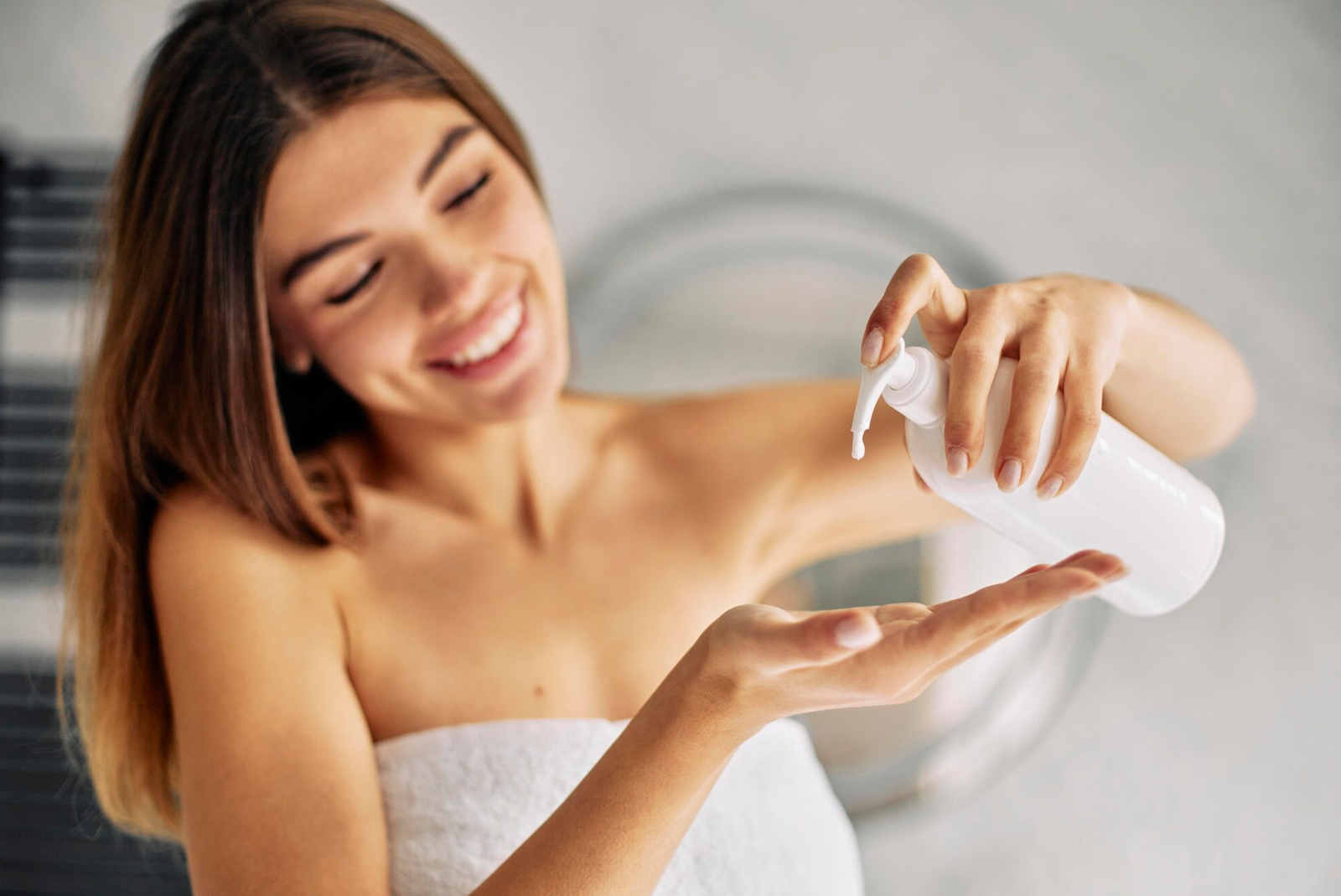
- Dispense: Apply a coin-sized amount of gel.
- Activate: Rub the gel between your palms or into a sustainable sponge with a small amount of water until it turns into a thick cream.
- Apply: Massage this cream into the skin using circular motions. This mechanical action stimulates blood flow, which aids in the delivery of nutrients to the skin’s surface.
Tools of the Trade
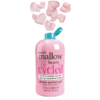
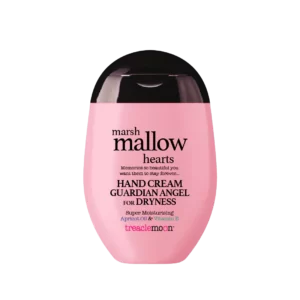
- Hands: Best for sensitive skin or when using highly emollient gels like Marshmallow Hearts. It minimizes friction.
- Sustainable Sponges/Washcloths: These provide gentle mechanical exfoliation, removing dead skin cells that block the absorption of moisture. This is essential for achieving that “fresh” glow.
The “Golden Rule” of Contact Time
In skincare, “Contact Time” refers to how long a product stays on the skin before being rinsed away. Many users rinse their shower gel off too quickly, preventing the humectants from doing their job.
Ingredients like Glycerin and Aloe Vera require time to bond with the skin cells. For the best results, allow the lather to sit on your body for 60 to 90 seconds. This brief window allows the moisture-drawing entities to penetrate the surface. During this time, the aromatherapy elements of the Treaclemoon collection, such as the zesty extracts in One Ginger Morning, can also provide a psychological “refresh” by stimulating the olfactory system.
Body Mapping: Targeted Cleansing Techniques
Not all skin on your body is the same. A professional usage guide recognizes that different zones require different levels of attention.
Lipid-Heavy vs. Lipid-Poor Zones
- The T-Zone of the Body: The back, chest, and shoulders have a higher density of sebaceous glands. Use a more vigorous circular motion here to prevent clogged pores.
- The Dry Zones: The shins, elbows, and forearms have very few oil glands. These areas should be cleansed gently with the excess lather rather than a direct, heavy application of product. This prevents over-drying of the areas most prone to “ashiness.”
The “Downward Motion” Logic
When cleansing areas with hair follicles (legs and arms), apply the product in a downward motion. This prevents the product and dirt from being pushed into the follicle, reducing the risk of folliculitis or “strawberry skin,” leading to a much smoother visual result.
Integrating Usage into a Holistic Routine
The way you use your shower gel is just one phase of a larger biological cycle. To maintain healthy skin, you must view the shower as a “priming” step.
The most successful routines follow a specific order of operations. To see how these usage techniques fit into a full 24-hour cycle of care, you should learn how to build a daily shower routine for healthy and glowing skin. By combining proper application with the “Three-Minute Rule” (applying lotion within 3 minutes of exiting the shower), you lock in the work your shower gel has done.
The Ethical Standard: Experience and Quality in Application
At WeConnect Beauty, we emphasize expertise and trust in every bottle. Using a shower gel that is 100\% Vegan and PETA-Approved isn’t just an ethical choice; it’s a performance choice.
Plant-based fats and oils (like those in Treaclemoon) have a molecular structure that is often more compatible with human sebum than synthetic alternatives. Furthermore, our Paraben-Free logic ensures that you aren’t applying harsh preservatives that can cause long-term dermal thinning or irritation. When you use ethical products, you are ensuring that your technique is applied to high-quality “fuel” for your skin.
Conclusion: The Definitive Path to Softness
Returning to our pillar question: What is the best way to make skin feel soft and fresh after a shower?
The definitive answer is the Mastery of Application. It is the combination of:
- Using Lukewarm Water 40C to protect natural lipids.
- Creating a Micro-Lather to maximize ingredient contact.
- Observing the 90-Second Contact Rule for hydration bonding.
- Targeting Body Zones based on their specific oil production.
When you treat your shower as a scientific process rather than a chore, the results are immediate and visible. Your skin transitions from being merely “clean” to being “restored.”
Experience the science of softness with the Treaclemoon collection at WeConnect Beauty. Your skin deserves the professional touch.
Frequently Asked Questions
Q: How much shower gel should I use for one shower?
A: A coin-sized amount (approximately $5$ to $10$ ml) is sufficient when using a sponge or washcloth to create a micro-lather. Using more does not improve cleanliness and can lead to residue buildup.
Q: Is it better to apply shower gel with a sponge or my hands?
A: For better skin results, a sustainable sponge or cloth is preferred as it provides gentle exfoliation. However, if you have highly sensitive or broken skin, using your hands is the safest way to prevent irritation.
Q: How long should I leave shower gel on my skin?
A: For hydrating results, leave the lather on for at least $60$ to $90$ seconds. This gives the humectants like Glycerin time to bond with the skin’s surface.
Q: Can the water temperature affect my skin’s glow?
A: Yes. Water above $40^{\circ}C$ strips essential oils, leaving skin dull and dry. Lukewarm water is the best way to ensure skin feels soft and fresh after a shower.
Q: Should I wash my face with shower gel?
A: No. The skin on your face is thinner and has a different $pH$ requirement than your body. Always use a dedicated facial cleanser to maintain the facial acid mantle.